
Web development guide
A complete guide to web development with FuturByte
Everything a Dubai business should know before commissioning a website or web application: what we build, how we build it and what you can expect at every stage.
What web development covers
Web development is the work of turning a plan for a website into something real people can open, read and use. It covers the structure of every page, the code that makes it work, the systems that store your content and data, and the connections to the tools your business already relies on.
At FuturByte, we treat a website as a working part of the business rather than a brochure. A good site answers the questions your customers bring with them, helps them compare options and makes the next step obvious, whether that is an enquiry, a booking, a purchase or a call with your sales team. Every decision we make during a build is measured against that job. This page explains how we approach that work, from the first workshop to the improvements that follow launch, so you know what to expect.
Who we build for
Our web development team works with founders launching a first product, established companies replacing an older site and organisations that need a portal or internal tool built around a specific workflow. Clients come to us from education, retail, hospitality, real estate, healthcare, professional services and the public sector.
What these projects share is a need for a site that people can rely on. A school needs parents to find admissions information quickly. A retailer needs a catalogue that stays accurate. A property developer needs buyers to filter units and request a viewing without friction. We start from the person using the site and build outward from there.
The kinds of websites we build
Corporate and brand websites present who you are, what you offer and why someone should choose you, with clear service pages and enquiry routes. Ecommerce stores handle catalogues, carts, payments, delivery options and order management. Customer and partner portals give signed in users access to accounts, documents, bookings or records.
We also build web applications that replace spreadsheets and manual steps with a proper interface, landing pages designed for a single campaign or offer, and content heavy sites such as publications, knowledge bases and resource libraries. Many projects combine several of these, so we plan the architecture to let each part grow without rebuilding the rest.
Discovery comes before code
Every project starts with discovery. We meet the people who own the site, the teams who will update it and, where possible, the customers who will use it. Together we agree on the audience, the tasks they need to complete and the evidence that will show the site is working.
Discovery produces a short, practical set of outputs: a sitemap, the key user journeys, a content plan, a list of integrations and a clear scope for the first release. It also surfaces risks early, such as content that does not exist yet, systems that are hard to connect or approvals that will take time. Settling these questions at the start keeps the rest of the build calm and predictable.
Design that development can deliver
Our designers and developers work on the same brief from the first day. That matters because a design that looks good in a presentation but cannot be built well becomes a compromise later. We design real page templates with real content, then review a representative journey with the people who will use it.
We build a component library alongside the designs: buttons, cards, forms, navigation and page sections that behave consistently across the site. This makes the finished website easier to extend. When your team needs a new page next year, it can be assembled from parts that already work on every screen size instead of being designed and coded from scratch.
Choosing the right technology
There is no single platform that suits every business, so we recommend technology based on what the site needs to do and who will maintain it. WordPress works well for marketing sites that a content team updates often. Laravel suits custom applications with their own data and business rules. Sitecore and SharePoint fit organisations that already run on those platforms and need the site to sit inside a wider estate.
For online stores we work with Shopify and Magento, and we build custom ecommerce where the catalogue or checkout is unusual. When speed and flexibility are priorities, a headless approach separates the content management system from the front end, so pages load quickly and content can feed apps and other channels too. We explain the trade offs in plain language before anything is chosen.
Content management your team will actually use
A website is only as good as its latest update. We set up the content management system around the way your team works, with clear fields, sensible page types and previews that show exactly how a change will look before it goes live.
Roles and permissions keep the right people in control: editors can draft, managers can approve and administrators can change settings. We also write short guides and run a handover session so your team is confident publishing news, updating services, adding products or changing a banner without needing a developer for every small task.
Speed and performance
People leave slow sites, and search engines notice. We build with performance in mind from the first template, using modern image formats, sensible caching, lean code and fonts that load without blocking the page.
Before launch we test pages against Core Web Vitals, the measures Google uses to judge loading speed, responsiveness and visual stability. We check results on mobile connections as well as office broadband, because many of your visitors will arrive on a phone. Where a third party script is slowing the site down, we tell you what it costs and suggest a better way to load it.
Search foundations built in
A new website should not lose the visibility the old one earned. When we replace an existing site, we map every important old address to its new home with permanent redirects, so links and rankings carry over.
Every page we build has a clear heading structure, editable titles and descriptions, clean addresses and structured data where it helps search engines understand the content. We generate an XML sitemap, set up correct canonical tags and make sure the site can be crawled properly. These foundations do not replace an ongoing search programme, but they give one a solid place to start.
Accessible and ready for more than one language
An accessible website works for people using screen readers, keyboard navigation, larger text or high contrast settings. We follow recognised accessibility guidelines for colour contrast, form labels, focus states and image descriptions, and we test key journeys with assistive tools.
Many businesses in the UAE serve customers in both English and Arabic. We can build bilingual sites with right to left layouts that are designed properly for Arabic rather than mirrored as an afterthought, with language switching that keeps visitors on the equivalent page. The same approach works for any other languages your audience needs.
Security, hosting and reliability
Security is part of the build, not a later add on. We keep platforms and plugins up to date, use secure connections throughout, validate every form and protect administration areas with strong authentication. Sensitive data is handled with care and only stored where it is genuinely needed.
We can advise on hosting that suits your traffic and your team, including cloud hosting, content delivery networks and backup routines. Before launch we agree on monitoring, so problems such as downtime or an expired certificate are noticed quickly. If you already have a hosting provider or an internal IT team, we work within their setup and document what they need to know.
Connecting the systems you already use
Most websites need to talk to other systems. We connect sites to customer relationship management platforms so enquiries arrive with the right details attached, to ERP and inventory systems so stock and pricing stay accurate, and to payment gateways used by businesses across the region.
We also integrate booking engines, marketing automation tools, analytics platforms and WhatsApp Business, so a conversation that starts on your website can continue where your customers prefer to talk. Each integration is tested with real scenarios, and we document how data moves between systems so your team understands what happens behind every form.
Testing and launch
We build in small increments and review working pages with you as we go, rather than revealing everything at the end. Before release, we test the agreed scenarios across browsers and devices, check forms and integrations end to end, and resolve issues in order of their impact on users.
Launch itself follows a written plan: content freeze, final checks, redirects, domain changes, analytics verification and a monitored go live. After launch we watch the site closely in its first days, checking errors, speed and search console reports, so anything unexpected is caught while it is still small.
Measuring whether the site works
A launch date is not the finish line, so we agree on how success will be measured before the build begins. Depending on the project that might mean enquiries submitted, bookings completed, orders placed, documents downloaded or support requests avoided.
We set up analytics and conversion tracking to record those actions accurately, with events named in plain language your team can understand. Dashboards then show how visitors arrive, which pages move them forward and where they drop away. That evidence turns opinions about the website into decisions your team can make with confidence.
Planning for growth
The website you launch should be ready for the business you expect to become. We plan content structures, page templates and integrations so that new services, locations, languages or product ranges can be added without starting again.
Code is kept organised and documented, environments for development, testing and live use are kept separate, and every change is tracked. If you later bring development in house or work with another partner, they will find a site that is clear to read and straightforward to extend.
Support after launch
A website keeps changing after it goes live. Our website maintenance service covers platform updates, security patches, backups, uptime monitoring and small improvements, so the site stays healthy without becoming a burden on your team.
Many clients continue with us on a second phase once the first release is in use. Real visitor behaviour shows which pages work, where people hesitate and what they ask for next. We review that evidence with you and plan improvements based on what the site is actually doing, not on guesswork.
How to prepare for a first conversation
You do not need a finished brief to start talking to us. It helps to share your goals for the project, the audience who will use the site, your expected launch window and the systems already in place. Examples of websites you admire, and notes on what frustrates you about your current site, are useful too.
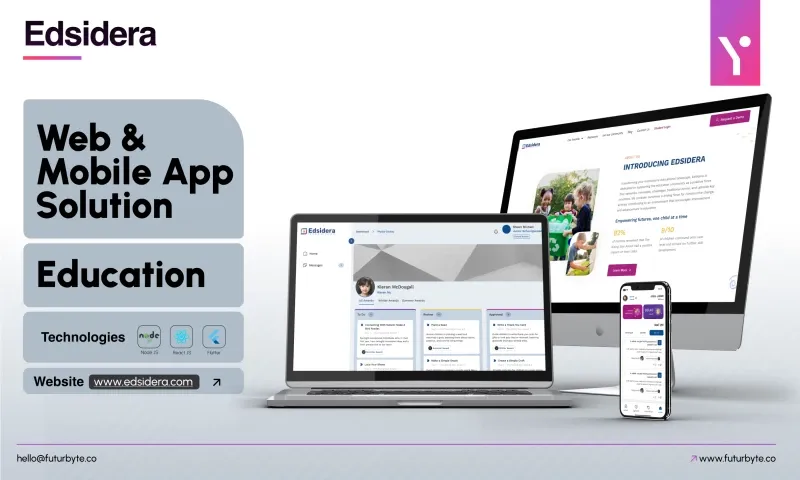
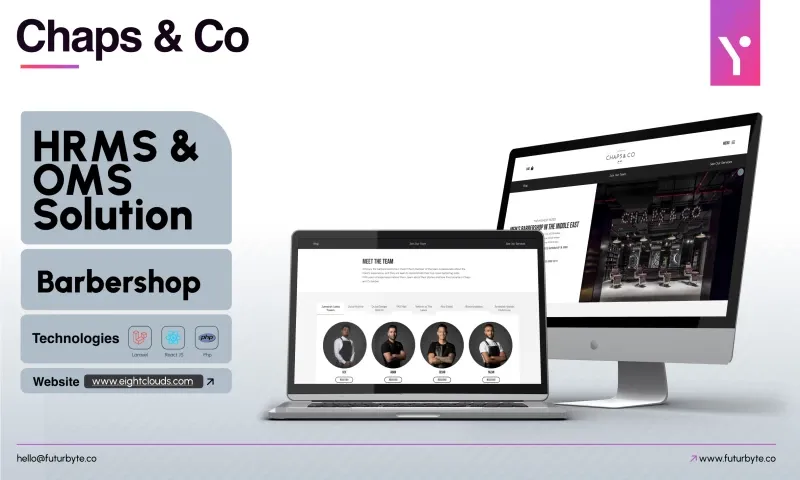
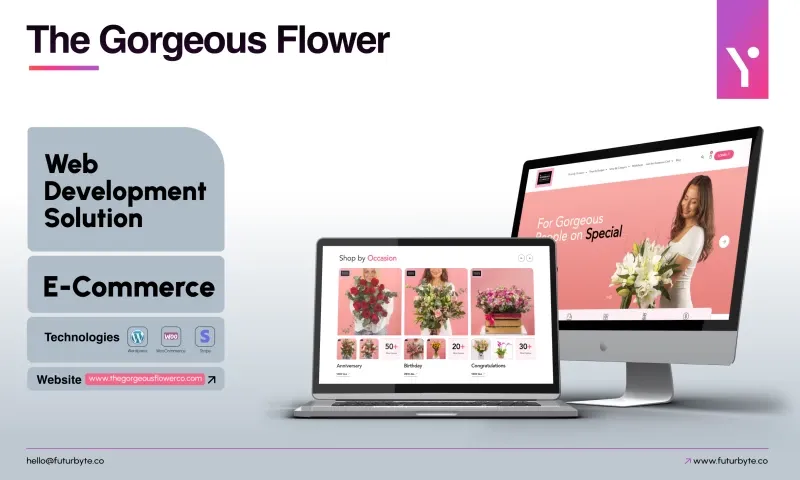
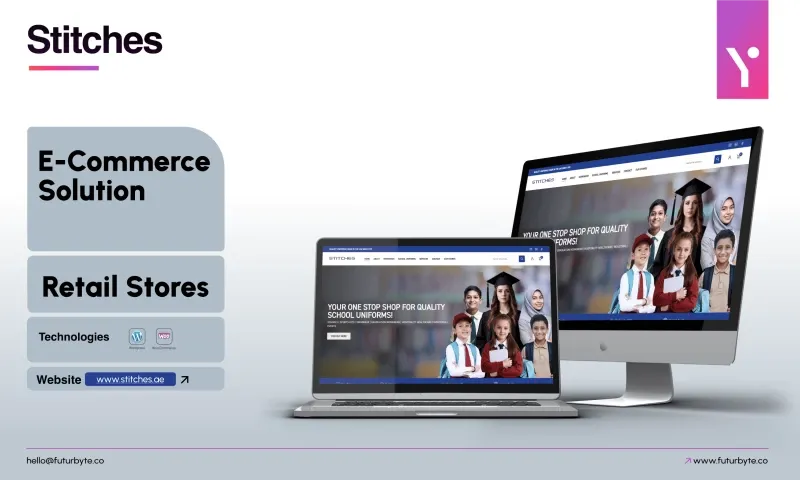
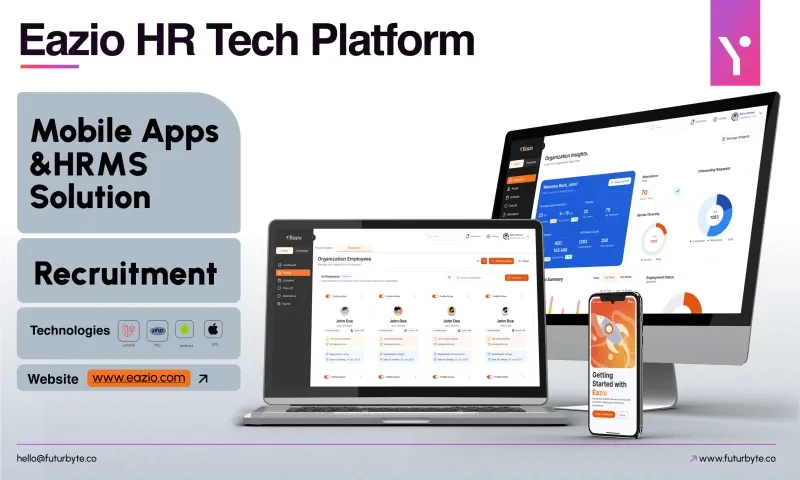
From there we will ask questions, suggest a sensible scope for the first release and explain how we would approach it. Our clients rate us 4.9 from 23 reviews on Clutch, and the work shown on this page gives a sense of the products we design and build. When you are ready, send us a message and tell us what you would like to build.
 4.9