
Brand strategy and communication guide
A complete guide to brand strategy and communication with FuturByte
What a Dubai business should know before investing in its brand: how we define positioning, build an identity, shape a voice and keep every channel saying the same thing.
What brand strategy and communication means
A brand is the reputation a business holds in people's minds: what they believe it does, how it makes them feel and why they would choose it. Brand strategy is the work of deciding what that reputation should be. Communication is the work of expressing it consistently, through visuals, words and behaviour, every time a customer comes into contact with the business.
At FuturByte, we treat branding as a business decision before it becomes a design exercise. A logo and a colour palette matter, but they only work when they rest on a clear idea of who the business serves, what makes it different and what it promises. This guide explains how we build that foundation and then carry it into every channel your customers see.
Who we work with
Our brand clients include founders preparing to launch, growing companies whose identity no longer reflects what they have become, and established organisations entering new markets or merging several businesses into one. We work across sectors including real estate, hospitality, healthcare, education, technology, retail and professional services.
The common thread is a gap between how good the business is and how it comes across. Sometimes the services are excellent but the website, sales materials and social channels all look and sound different. Sometimes the business has changed but its brand has not. Closing that gap is the purpose of everything we do in a brand project.
Discovery and research
Every brand project starts with listening. We interview founders and leaders, speak with staff who deal with customers every day and, where possible, talk directly to customers and people who chose a competitor instead. Those conversations reveal how the business is really perceived, which is often different from how it sees itself.
We also review your existing materials, analyse competitors in the UAE and wider region, and study the language and visuals that dominate your category. The research is summarised in a short, readable findings document. It highlights strengths worth keeping, weaknesses worth fixing and openings where your brand can stand clearly apart from everyone else in the market.
Positioning that sets you apart
Positioning answers a simple question: why should a particular customer choose you over the alternatives? We work with your leadership team to define the audience you serve best, the problem you solve for them, the evidence that supports your claims and the single idea you want to own in their minds.
A good positioning statement is specific enough to guide real decisions. It helps your team decide which projects to pursue, which messages to lead with and which opportunities to decline. We test draft positions against your research and refine them through workshops until the leadership team agrees on wording they can defend and act on confidently.
Brand architecture
Businesses with several products, services, locations or sub brands need a clear structure that shows how everything relates. Brand architecture decides whether offerings sit under one master brand, carry their own names with an endorsement, or stand fully independent. Getting this wrong confuses customers and wastes marketing effort across competing identities.
We map your current portfolio, consider where the business is heading and recommend a structure that is simple to understand and easy to extend. That recommendation covers naming conventions, how logos relate to each other and how each part of the business should be described. The result gives future launches a clear place to sit.
Naming and taglines
Some projects need a new company, product or service name. We generate options that fit the positioning, then check them for meaning and pronunciation in both English and Arabic, rough availability of domains and social handles, and obvious conflicts with existing businesses. Shortlisted names are presented with a clear rationale behind each choice.
Taglines and straplines follow the same discipline. A tagline should express the positioning in a few memorable words rather than repeat generic claims every competitor makes. We recommend checking final names with a trademark specialist before committing, and we prepare the information they need to run a proper search quickly and accurately.
Visual identity
With strategy agreed, our designers translate it into a visual identity. That includes the logo, colour palette, typography, photography direction, illustration style, iconography and layout principles. Each element is chosen because it supports the positioning, not simply because it follows a trend that will look dated within a couple of years.
We present identity concepts applied to real materials such as a website homepage, social posts, a proposal cover, signage and a uniform, so you can judge how the brand will actually feel in use. Once a direction is chosen, we refine every element until the system works consistently across print, digital and physical spaces throughout the business.
Verbal identity and tone of voice
How a brand sounds matters as much as how it looks. We define your tone of voice with practical guidance: the personality traits that shape your writing, words and phrases to use and avoid, how formal to be in different situations and examples of good and poor copy side by side.
We also write the core messages your team will reuse every day, including a short company description, an elevator pitch, value propositions for each audience and answers to common customer questions. Having these approved in advance saves time, and it means everyone from sales to customer service describes the business in the same clear way.
Communicating in English and Arabic
Most brands in the UAE speak to customers in both English and Arabic, and some reach further audiences in other languages too. A brand voice needs to work in each language on its own terms rather than through literal translation, which often sounds stiff or misses cultural nuance entirely.
We develop Arabic messaging and typography alongside the English versions, so both carry the same personality and weight. Bilingual logo lockups, right to left layouts and Arabic type pairings are designed as part of the identity from the start. The result feels natural to Arabic speaking customers instead of looking like an afterthought.
Brand guidelines your team will use
Guidelines turn a brand into something a whole organisation can apply. We produce clear, practical guidelines covering strategy, logo use, colour, typography, imagery, tone of voice and worked examples of common materials. They are written for real users such as marketers, designers, agencies and printers, not for a shelf.
We can deliver guidelines as a document, an online brand portal or both, along with organised asset libraries and editable templates. A good template library is often more valuable than the rulebook itself, because it lets your team produce correct presentations, social posts and documents without starting from a blank page every time.
Internal launch and alignment
A brand lives or dies through the people who represent it. Before an external launch, we help you introduce the new brand internally, explaining why it changed, what it stands for and how each team should use it. Staff who understand the reasoning become its strongest advocates with customers.
We can run workshops for marketing, sales and customer facing teams, create short internal guides and prepare leadership with talking points for the announcement. Aligning everyone first prevents the common problem of a polished new identity sitting beside old habits, outdated templates and messages that contradict the promise the brand now makes.
External rollout
Rolling a brand out across every touchpoint takes planning. We help you prioritise what changes first, typically the website, social profiles, email signatures and sales materials, then signage, vehicles, packaging and printed items as stock runs down. A clear schedule keeps costs manageable and avoids a confusing mix of old and new.
We can design and produce the launch materials ourselves, from a refreshed website to campaign creative, presentation templates and environmental graphics. Where other suppliers are involved, we brief them directly and review their work against the guidelines, so the brand appears consistently wherever customers meet it during and after the change.
Campaigns and ongoing communication
Once the brand is established, it needs to be communicated regularly. We plan and create brand campaigns, social media content, video, press materials, newsletters and advertising that reinforce the positioning rather than chase every passing idea. Each piece is checked against the strategy before it goes out.
Because we also run digital marketing, content and search programmes, communication can be planned as one connected effort instead of separate activities run by different suppliers. That joined up approach keeps the message consistent and makes it easier to see which channels genuinely build awareness, preference and enquiries for the business.
Measuring brand performance
Brand work should be measured, even if some results take longer to appear than a sales campaign. We agree measures with you at the start, which might include brand awareness and recall, search volume for your name, share of voice, website engagement, enquiry quality, sales cycle length or staff understanding of the brand.
Where useful, we run baseline surveys before launch and repeat them later to track change. We combine those findings with digital analytics and feedback from your sales team. The aim is evidence showing whether the brand is changing perceptions in the way the strategy intended, and clear guidance on what to adjust next.
Keeping the brand consistent over time
Brands drift. New staff join, suppliers change and small shortcuts accumulate until materials no longer match. We offer periodic brand reviews that audit recent work across channels, identify inconsistencies and update templates or guidelines where real use has revealed gaps the original rules did not anticipate.
As the business grows into new services, markets or audiences, the brand may need to stretch. We help you extend the identity thoughtfully, adding new sub brands, campaign styles or language versions without weakening the core. A brand that evolves deliberately stays relevant far longer than one that is reinvented every few years.
How a brand project is organised
Most brand projects move through clear stages: discovery, strategy, identity, guidelines and rollout. Each stage ends with a decision meeting, so leadership approves the foundation before design begins and approves the design before materials are produced. This prevents costly rework caused by revisiting strategy late in the process.
We ask you to nominate a small decision group with authority to approve each stage, plus a day to day contact who can gather information and feedback. We share a written schedule at the outset and keep it updated, so you always know what is happening now, what is coming next and what we need from you.
How to prepare for a first conversation
You do not need a finished brief. It helps to share what the business does, who your customers are, why you are considering brand work now and what you hope will change. Existing materials, competitor examples and any research you already hold are useful too. If several partners or departments have a stake in the brand, tell us who they are so we can plan how to involve them.
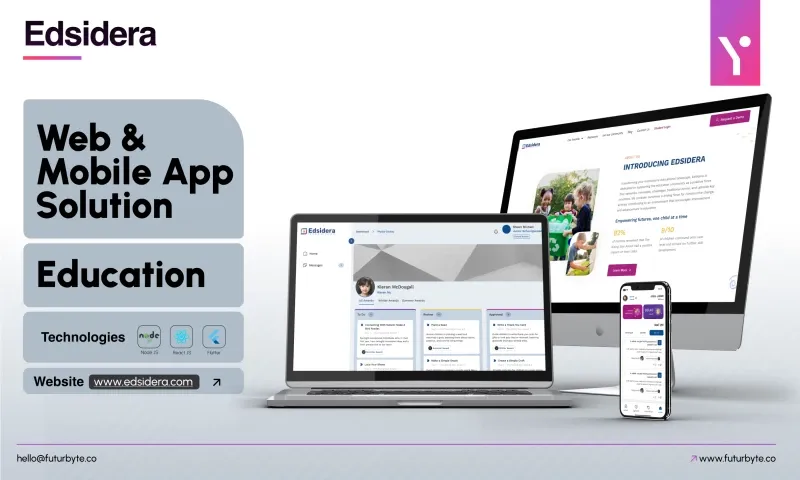
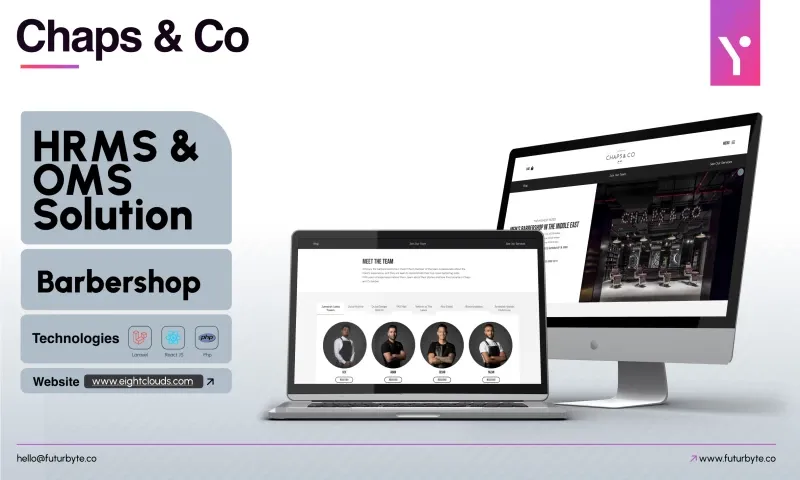
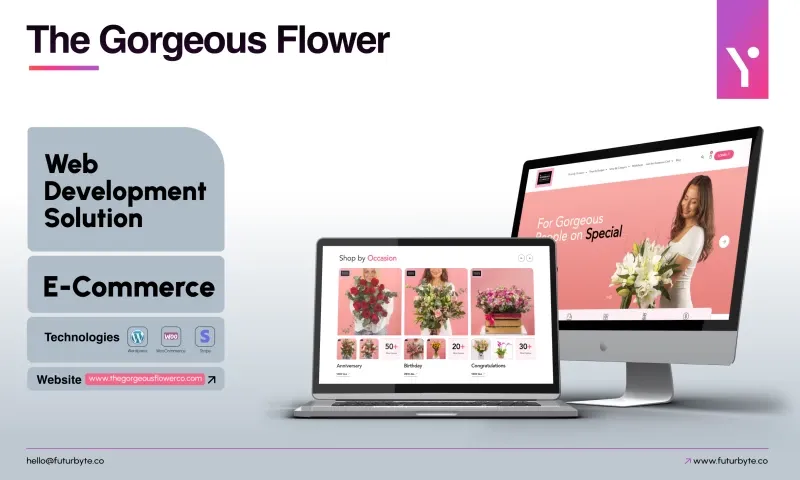
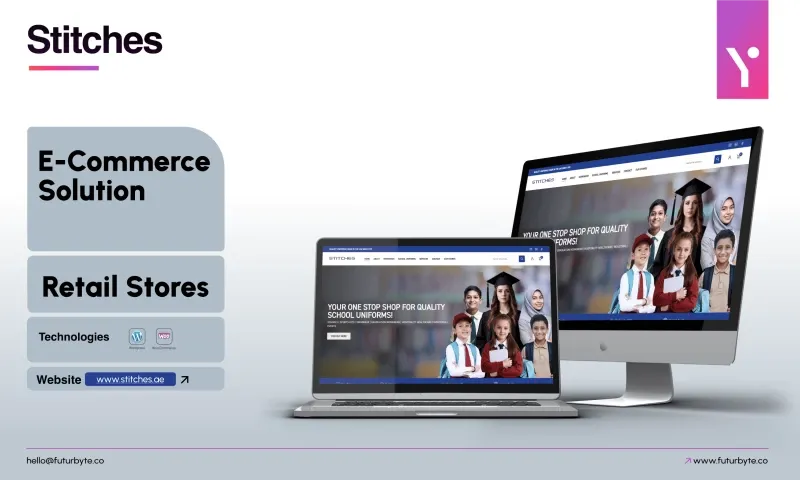
From there we will ask questions, suggest a sensible scope and explain how we would approach the project. Our clients rate us 4.9 from 23 reviews on Clutch, and the identity and campaign work on this page shows our range. When you are ready, send us a message and tell us about your business.
 4.9