
Mobile app development guide
A complete guide to mobile app development with FuturByte
What a Dubai business should understand before commissioning a mobile app: the choices that shape it, how a project runs and what happens once it is live in the stores.
What mobile app development involves
Mobile app development is the work of planning, designing, building, testing and publishing software that runs on phones and tablets. It includes the screens people tap through, the logic behind them, the server systems that store accounts and data, and the release process that gets each version through the Apple App Store and Google Play.
An app earns a place on someone's phone only when it saves them time or effort every time they open it. That is a higher bar than a website, because people delete apps quickly. At FuturByte we start every project by naming the repeated task the app will make easier, and we judge every feature against that task before it is designed or built.
Who commissions an app from us
Our mobile team works with companies adding an app to an established service, founders building a product where the app is the business, and organisations replacing paper forms or spreadsheets with a tool their staff carry in their pockets. We work across retail, education, hospitality, property, healthcare, logistics and professional services.
The common thread is a group of people who return often. Customers reorder, parents check school updates, tenants log maintenance requests, field staff complete inspections. If your audience only needs you once a year, a well built website may serve them better, and we will tell you so during the first conversation rather than selling you an app you do not need.
Native, cross platform or progressive web app
There are three broad ways to build. Native apps are written separately for iOS in Swift and for Android in Kotlin, which gives the deepest access to device features and the most polished feel on each platform. Cross platform frameworks such as Flutter and React Native share one codebase across both, which shortens delivery and simplifies maintenance for most business apps.
Progressive web apps run in the browser but can be added to the home screen and work offline for simple tasks. They suit internal tools and light services where store presence matters less. We compare these options against your features, timeline, long term plans and the team who will maintain the product, and we put the reasoning in writing before anything is chosen.
Discovery and product definition
Every app project begins with discovery. We interview the people who own the product, the staff who will support it and a sample of the customers who will use it. Together we agree the core journeys, the measures of success and the systems the app must connect to.
The output is practical: a feature map split into a first release and later phases, user journeys for the most important tasks, a list of integrations and data sources, and a delivery plan with milestones you can review. Discovery also exposes risks early, such as an internal system without an API or content that nobody owns yet, so they can be solved before they delay the build.
Designing for thumbs and small screens
Mobile design has its own constraints. People use apps one handed, in bright sunlight, on patchy connections and with constant interruptions. Our designers place primary actions within comfortable reach, keep text legible, make tap targets generous and reduce every journey to the fewest sensible steps.
We prototype key flows in Figma and test them with real users before development starts, because changing a prototype takes hours while changing a built screen takes days. We also respect the conventions of each platform, so the app feels familiar to an iPhone user and an Android user alike, rather than forcing one platform's habits onto the other.
Arabic and English from the start
Many apps built for the UAE need to serve customers in both Arabic and English. Supporting Arabic properly means right to left layouts, mirrored navigation, correct number and date formats, and typography chosen for Arabic script rather than borrowed from a Latin font.
We plan bilingual support during design, not after launch, because retrofitting right to left layouts into a finished app is slow and error prone. Language can follow the phone's system setting or be switched inside the app, and translated content is managed so that both languages stay in step whenever your team publishes an update.
The back end that powers the app
Most apps depend on systems the user never sees: databases for accounts and orders, APIs that deliver content, services that send notifications and dashboards where your team manages everything. We design and build these back ends on cloud platforms such as AWS, Google Cloud and Firebase, choosing the setup that suits your scale and your team's skills.
Where you already have systems in place, such as a CRM, an ERP, a booking engine or a loyalty programme, we connect the app to them through secure APIs. Each integration is documented so your IT team knows exactly how data moves between the app and the rest of the business.
Features we build often
Business apps across the region share a recognisable set of building blocks. These include secure sign in with email, phone number or UAE Pass, in app payments through local and international gateways, push notifications, maps and location services, booking calendars, chat with support teams, and document or photo uploads.
Each of these looks simple from the outside and carries detail underneath. Push notifications need permission requests that people actually accept. Payments need clear error handling and receipts. Location features need careful battery management. We have built these components before, which lets us spend your time on the parts of the app that are genuinely unique to your business.
Security and data protection
Apps handle personal information, payment details and sometimes health or financial records, so security is designed in from the first sprint. We encrypt data in transit and at rest, store credentials in the secure areas each platform provides, and protect APIs with proper authentication and rate limits.
We also follow the data protection expectations of UAE regulators and the specific rules of the sectors we work in. Before release we review permissions so the app asks only for what it genuinely needs, and we prepare the privacy disclosures that Apple and Google now require on every store listing.
How we run the build
Development runs in short sprints, usually two weeks long. At the end of each sprint you receive a working build on your own phone through TestFlight or a Google Play testing track, so you can see real progress rather than status reports. Feedback goes straight into the next sprint's plan.
A named project lead keeps you informed, runs regular reviews and flags decisions that need your input. Scope changes are discussed openly, with their effect on timeline explained before anyone agrees to them. That rhythm keeps the project predictable and stops surprises from building up towards the end.
Testing on real devices
An app that works on the developer's phone can still fail on a three year old Android handset with a small screen and an older operating system. We test on a range of real devices that reflect what your customers actually carry, alongside automated tests that check core logic every time code changes.
Testing covers functionality, performance, battery use, poor network conditions, accessibility settings such as larger text and screen readers, and both language versions. Issues are logged, prioritised by their effect on users and fixed before release. We also run a final regression pass so that late fixes do not break something that worked earlier.
Store submission and launch
Publishing an app means meeting the review guidelines of both Apple and Google. We prepare the store listings, screenshots, descriptions, privacy labels and age ratings, set up the developer accounts in your company's name and manage the submission and any reviewer questions.
We usually recommend a staged rollout, releasing to a small share of users first and widening once crash reports and reviews look healthy. Launch day follows a written checklist covering analytics, monitoring, support readiness and any marketing activity planned around the release, so your team knows what to expect in the first week.
Measuring success after release
We agree the measures that matter before the build begins. For a retail app that might be repeat orders and basket size. For a service app it might be bookings completed or support calls avoided. For an internal tool it might be time saved per task or forms submitted without errors.
Analytics are set up to track those actions, alongside retention, crash rates and session length. Dashboards show where users succeed and where they abandon a journey. That evidence guides the next phase of work, so improvements are based on what people actually do inside the app rather than on opinion.
Planning for growth in users
An app that works well for a few hundred users can slow down badly when a campaign brings in thousands overnight. We design the back end to scale with demand, using managed cloud services, caching and queues so busy periods do not bring the service down.
We also plan the code structure so new features, markets and languages can be added without rewriting what already works. Modules are kept separate, configuration lives outside the code, and feature flags let your team switch new functionality on for a test group before releasing it to everyone.
Maintenance and new versions
Apple and Google release major operating system updates every year, and each one can affect how existing apps behave. Our maintenance service covers compatibility updates, security patches, library upgrades, monitoring and small improvements, so the app keeps working smoothly as phones change.
Most clients continue with us into later phases once the first release is in customers' hands. Store reviews, support tickets and analytics reveal what people want next. We review that evidence with you each quarter and plan new versions around the features that will make the biggest difference to your users.
Ownership and handover
You own the source code, the designs, the store accounts and the cloud infrastructure we set up for your app. Everything is kept in repositories under your organisation's control, with documentation that explains how the system is built, deployed and configured.
If you later decide to bring development in house, we run a structured handover with your engineers, walking through the architecture, the release process and the known areas for improvement. A clean handover protects your investment and keeps the app independent of any single supplier. Signing keys, certificates and store credentials are stored securely under your control from the start.
How to prepare for a first conversation
You do not need a full specification to start. It helps to share what problem the app will solve, who will use it, how often they would open it, and which systems it might need to connect to. Screenshots of apps you admire, along with notes on what frustrates your customers today, are useful too.
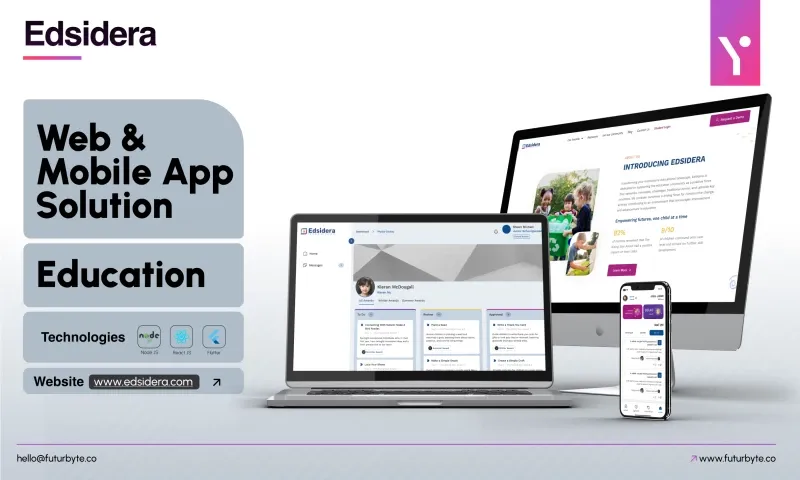
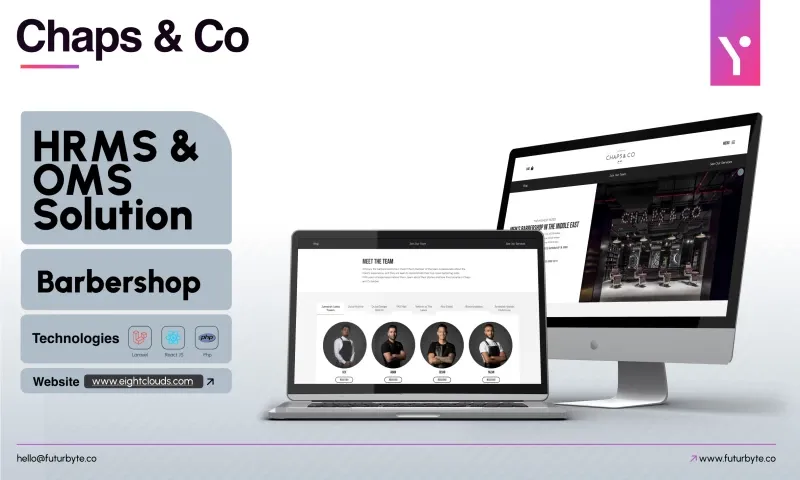
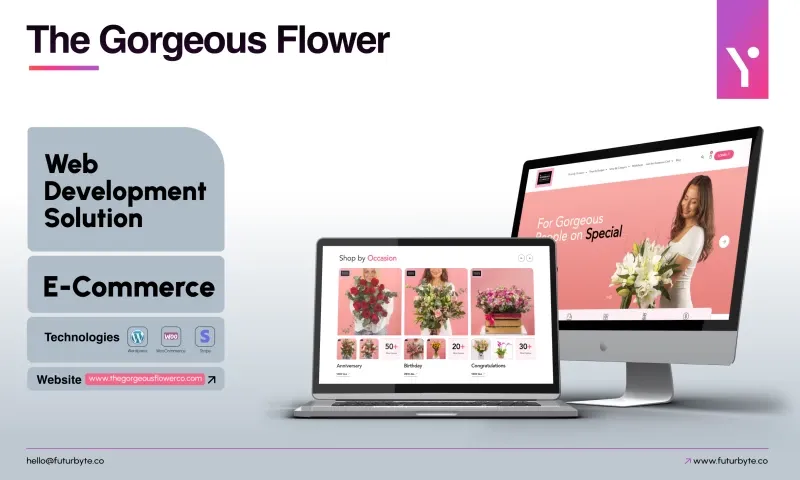
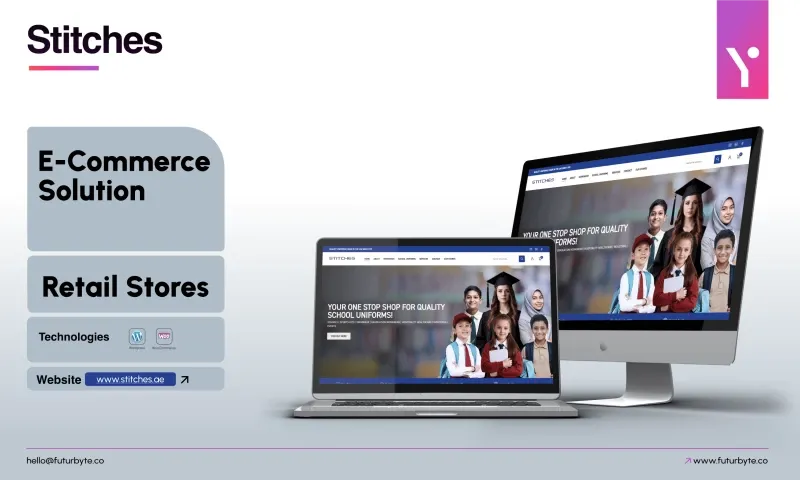
We will ask questions, suggest a sensible first release and explain which build approach we would recommend and why. Our clients rate us 4.9 from 23 reviews on Clutch, and our project pages show the apps we have designed and built. When you are ready, send us a message from our Dubai office page and tell us about the app you have in mind.
 4.9