
Packaging design guide
A complete guide to packaging design with FuturByte
What a UAE brand should know before commissioning packaging: how we plan, design, test and prepare artwork that looks right on the shelf and runs smoothly through production.
What packaging design covers
Packaging design is the work of creating the boxes, bottles, pouches, labels, sleeves and bags that hold your product and introduce it to the buyer. It combines structure, graphics, information and materials into one object that has to protect the product, communicate what it is and persuade someone to choose it over the alternatives beside it.
At FuturByte, we design packaging as a sales tool and a practical object at the same time. A beautiful box that crushes in transit, or a label that a printer cannot reproduce accurately, costs a business money. Our process balances the creative side with the technical realities of printing, filling, shipping and retail display, so the finished pack works in every setting it meets.
Who we design packaging for
Our packaging clients include food and beverage producers, cosmetics and personal care brands, perfume houses, supplement makers, electronics importers and gift businesses. Some are launching a first product and need a full range designed from scratch. Others are established brands refreshing a line that has started to look tired next to newer competitors.
We also work with retailers creating private label ranges, ecommerce brands that care about the unboxing moment, and hospitality businesses that need takeaway and retail packaging. Whatever the category, the starting point is the same: understanding the product, the buyer and the place where that buyer will first encounter the pack. Knowing that context early prevents a design that looks right in a meeting room but fails in the store.
Starting with the shelf and the buyer
Before designing anything we study where the product will be sold. That might be a hypermarket aisle, a pharmacy counter, an airport retail display, a boutique shelf or an online marketplace thumbnail. Each setting changes what the pack must do in the few seconds a shopper gives it.
We look at the competitive set in UAE stores and online, noting the colours, formats and claims that dominate the category. That review shows where your product can stand apart and where it needs to follow conventions so buyers recognise what it is. The findings become a written brief that guides every design decision that follows, and gives everyone involved a shared reference when opinions differ during reviews.
Structure and format
The shape of a pack affects cost, shelf presence, shipping efficiency and how the product feels in the hand. We advise on formats such as folding cartons, rigid boxes, labels, pouches, tubes, tins and corrugated outer cases, and we consider how each opens, closes and stacks.
Where a custom structure helps, we create dielines and work with your manufacturer to produce white samples before any artwork is applied. Holding a physical sample reveals problems that a screen hides, such as awkward opening, wasted space or a lid that will not stay closed. Fixing those issues early saves expensive reprints later. It also gives your filling or packing team a chance to confirm the format suits their equipment and speed.
Graphic design and hierarchy
A shopper scanning a shelf needs to understand three things quickly: what the product is, which brand made it and why it might suit them. We design a clear visual hierarchy so those messages read in the right order, with secondary information placed where it is easy to find without crowding the front panel.
Colour, typography, illustration and photography are chosen to fit the brand and the category. We test layouts at real size and at a distance, because a pack that looks balanced on a monitor can feel cluttered when held, or vanish when placed among a dozen competitors on a lit retail shelf.
Bilingual labelling for the UAE
Products sold in the UAE usually need key information in Arabic as well as English, and food, cosmetics and health products often carry additional labelling requirements. We design packs where both languages are integrated from the start, with Arabic typography that is legible, correctly shaped and given proper space rather than squeezed into a corner.
We work from the information your regulatory adviser or distributor provides, laying out ingredients, usage instructions, warnings, origin details and barcodes so they are clear and complete. We are designers rather than regulators, so we always recommend final compliance checks with the relevant authority or a specialist before artwork goes to print.
Designing a range, not a single pack
Most brands sell more than one product, flavour, size or variant. Packaging works best when it is designed as a system, with a consistent structure that lets buyers recognise the brand instantly and a clear method for telling variants apart through colour, pattern or naming.
We create a master layout and a set of rules for building new variants, so adding a product next year does not require starting again. This approach keeps the range coherent on the shelf, speeds up future launches and makes it easier for printers and in house teams to produce new artwork correctly. It also helps distributors and store teams merchandise the full range neatly, which strengthens the brand block on shelf.
Materials and finishes
The material a pack is printed on changes how colours appear and how premium it feels. We advise on paper and board stocks, films, glass, metal and plastic options, along with finishes such as foiling, embossing, spot varnish and soft touch lamination where they genuinely add value.
Finishes should support the brand rather than decorate for the sake of it, and each one adds cost and production time. We explain the trade offs clearly and specify every finish precisely on the artwork, so your printer knows exactly what is intended and the result matches the samples you approved. Where budgets are tight, we suggest where a single well chosen finish will have more impact than several competing ones.
Sustainability choices
Buyers and retailers increasingly ask how packaging affects the environment. We can help reduce material use, simplify components so packs are easier to recycle, choose recycled or responsibly sourced stocks and remove unnecessary inserts or plastic windows where they add little.
We are careful with environmental claims printed on packaging. Any statement about recyclability or recycled content should be supported by your supplier's documentation, and we design those claims accurately rather than vaguely. Sometimes the most sustainable decision is simply a smaller box that ships more efficiently and wastes less space.
Mockups and real world testing
Before you approve a design, we show it in realistic mockups on shelves, in hands and in online listings. For ecommerce brands we also preview the pack as a small marketplace thumbnail, where fine detail disappears and only strong shapes and colours survive.
When the stakes are higher, we produce printed prototypes so you can judge colour, finish and structure in person. Placing a prototype on a real shelf next to competitors is one of the most useful tests available, and it often settles debates that hours of screen reviews cannot resolve.
Artwork preparation and print readiness
Good design can be ruined by poor artwork. We prepare final files to the exact specifications of your printer or converter, with correct dielines, bleed, colour separations, spot colours, barcode sizing and text converted or embedded properly. Every file is checked carefully before release.
We can liaise directly with your printer, answer their technical questions and review proofs on your behalf. Where possible we attend or remotely review press checks for important runs, comparing the output against approved samples so the colours on the shelf match what you signed off. Small colour shifts between print runs are common, so we keep approved references on file to check future reprints against.
Unboxing and ecommerce packaging
For brands that sell online, the packaging a customer opens at home is a major part of the experience. We design mailer boxes, tissue, inserts, thank you cards and stickers that make unboxing feel considered, and which photograph well when customers share them on social media.
We also consider practical factors such as shipping dimensions, courier handling and returns. A pack that fits standard courier sizes and protects the product without excessive filling saves money on every order while still giving customers a memorable first impression of the brand.
What you receive
At handover you receive print ready artwork for every pack and variant, editable source files, dielines, colour specifications and a set of mockup images for websites, marketplaces, presentations and social media. Files are organised clearly so your team and suppliers can find what they need.
You also receive packaging guidelines that explain the layout system, typography, colour rules and how to create future variants. Full ownership of the final designs passes to you, so you can reprint, adapt or extend the range with any supplier you choose. If your team later needs help with a seasonal edition or a new size, the existing system makes that work quick to brief.
Measuring success
Packaging success shows up in practical results. We agree measures with you at the start, such as retailer acceptance, sell through in early weeks, online conversion rates on product listings, reduced damage in transit or lower production costs per unit.
After launch we review feedback from buyers, distributors and store teams, along with sales data you are willing to share. Those findings inform small refinements to the range, whether that means sharpening a variant colour, moving a claim to the front panel or simplifying a structure that slows down packing.
Working alongside your brand
Packaging is often the most tangible expression of a brand, so it needs to sit comfortably with your logo, website, advertising and retail displays. If your identity is still developing, we can design the brand and packaging together so every element supports the other.
Because we also produce websites, ecommerce stores, product photography direction and digital campaigns, we can carry the packaging look into every channel where the product appears. That consistency makes a new product easier to recognise wherever a buyer meets it, online or in store.
Timelines and production planning
Packaging schedules are shaped by production as much as by design. Printer lead times, material availability, sample approvals and shipping all need to be planned backwards from your launch date, so we map those steps with you at the very start of the project.
We build in time for prototypes and proof corrections, because rushing these stages is the most common source of costly mistakes. If you have a fixed retail listing or seasonal launch date, tell us early and we will plan the design work to leave your printer the time they need.
How to prepare for a first conversation
It helps to bring the product itself or samples, a list of the variants and sizes you need, where it will be sold, your launch window and any existing brand assets. Photos of competitor packs you admire or want to avoid, plus details of your printer or manufacturer, are also useful.
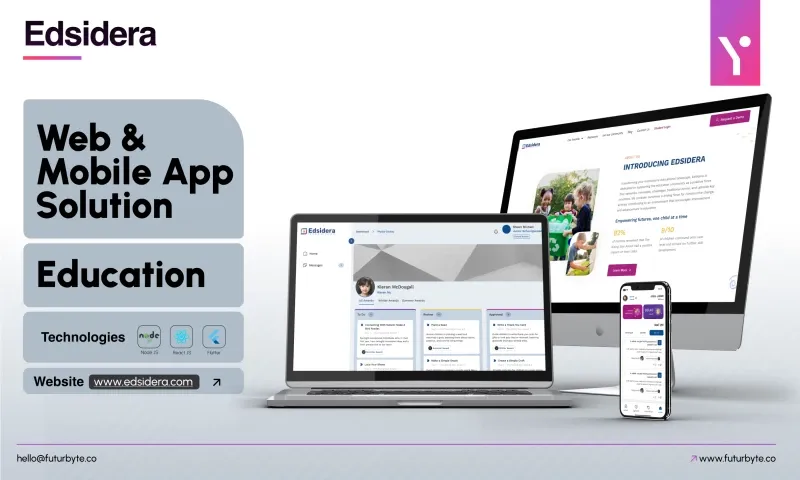
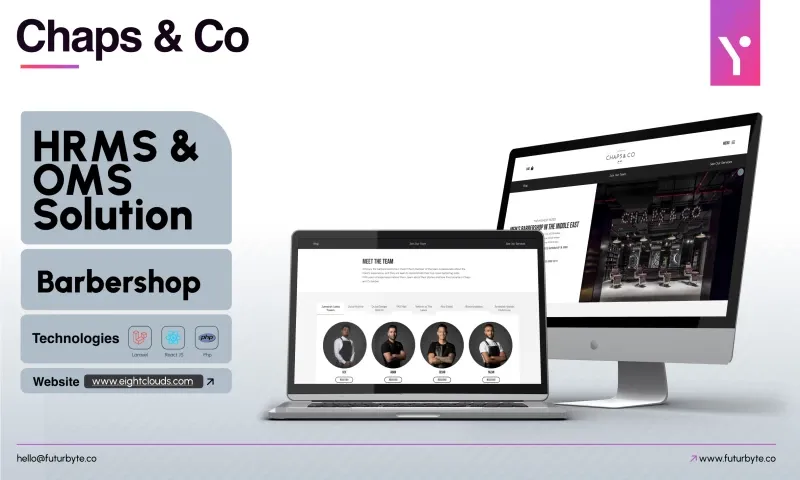
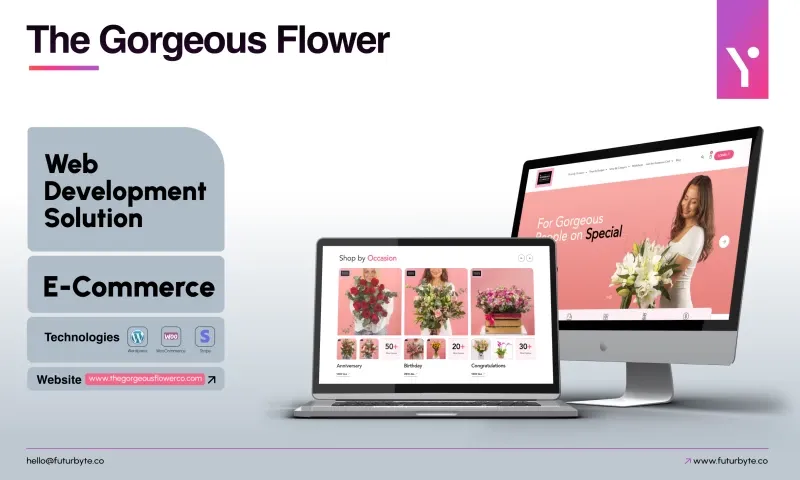
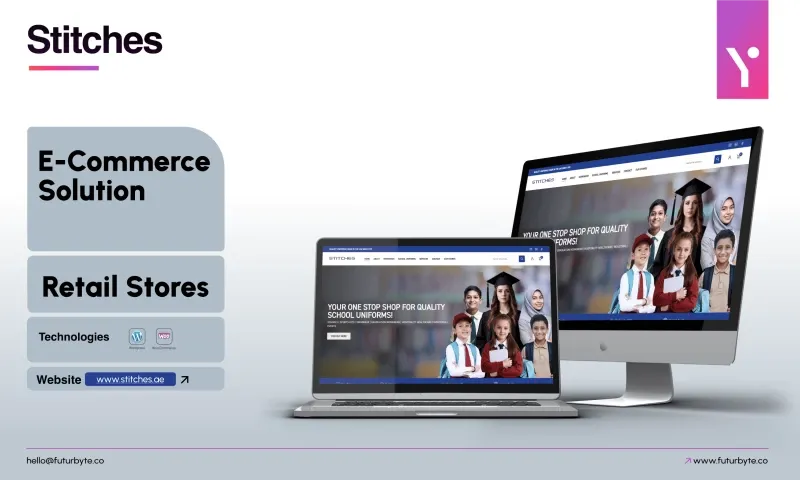
From there we will ask questions, suggest a sensible scope and explain how the project would run from brief to printed pack. Our clients rate us 4.9 from 23 reviews on Clutch, and the packaging and identity work on this page shows our range. When you are ready, send us a message and tell us about the product.
 4.9