
Conversion rate optimisation guide
A complete guide to conversion rate optimisation with FuturByte
What a UAE business should know before starting a conversion programme: how we find what holds visitors back, test improvements properly and measure the gains that follow.
What conversion rate optimisation means
Conversion rate optimisation, often shortened to CRO, is the practice of increasing the share of visitors who take a valuable action on your website or app. That action might be a purchase, an enquiry, a booking, a registration, a demo request or a WhatsApp conversation. The aim is to get more value from the traffic you already have rather than simply buying more of it.
At FuturByte, we run CRO as an ongoing programme of research, hypotheses, testing and learning. It is not a collection of quick tricks such as changing button colours. Real improvements come from understanding why visitors hesitate and removing those reasons. This guide explains how we approach the work, what it involves and how results are measured.
Why it matters for UAE businesses
Advertising costs in competitive UAE sectors such as real estate, finance, healthcare, education and ecommerce can be high, and every visitor who leaves without acting represents money spent with nothing to show for it. Improving conversion lowers the cost of each lead or sale, which makes every other marketing channel more efficient at the same time.
Conversion improvements also compound. A better checkout helps every visitor from search, social, email and referrals, not just one campaign. Over months, a steady programme of small, proven gains can change the economics of a business more than a large increase in advertising spend would, and those gains continue long after each test ends.
Who CRO suits
CRO works best for businesses with a steady flow of traffic and a clear, measurable goal. Online retailers, property developers and brokers, clinics, schools, software companies, travel and hospitality businesses and lead driven service firms are typical examples. The more visitors a site receives, the faster tests reach reliable conclusions.
If traffic is still low, we can still help through research driven improvements and expert review, without formal split testing. In those cases we focus on fixing obvious barriers, improving tracking and building the foundations for testing later, once traffic grows enough to support statistically sound experiments on key pages.
Starting with measurement
Every CRO programme begins by checking that measurement is accurate. We audit your analytics and conversion tracking, confirming that purchases, forms, calls and WhatsApp clicks are recorded correctly and that marketing sources are attributed properly. It is surprisingly common to find duplicate conversions, missing events or traffic recorded under the wrong channel.
Once tracking is reliable, we build funnel reports for your key journeys, showing how many visitors reach each step and where they drop away. That baseline tells us where the biggest opportunities are, and it gives us a trustworthy starting point against which every future improvement can be measured fairly and transparently.
Research into visitor behaviour
Numbers show where people leave, but not why. We combine analytics with heatmaps, scroll maps and session recordings to see how visitors actually behave on important pages. Recordings reveal hesitation, confusion, repeated clicks on things that are not clickable and form fields that cause people to give up.
We also gather qualitative evidence through on site surveys, customer interviews, sales team conversations, live chat logs and support tickets. Asking visitors directly what nearly stopped them, or what information they could not find, often produces the most valuable insights in the entire programme. Together these sources explain the reasons behind the numbers.
Expert review of key journeys
Alongside research, our designers review the most important journeys on real devices, assessing clarity, trust, effort and motivation at each step. We look at value propositions, calls to action, page speed, mobile usability, form design, checkout flow, delivery and returns information and the overall consistency of the experience.
Each issue we find is recorded with evidence and an explanation of how it might affect behaviour. Expert review is quick and often identifies problems that are obvious to an outsider but invisible to a team that sees the site every day. These observations are combined with research findings to form a single list of opportunities.
Forming strong hypotheses
Good tests start with good hypotheses. Each one states what we will change, which evidence suggests the change will help, and what result we expect to see. For example, research might show that visitors hesitate at checkout because delivery times are unclear, suggesting that displaying them earlier will reduce abandonment.
Writing hypotheses this way keeps the programme focused on real problems rather than random ideas. It also means every test teaches something, even when the result is not what we expected. A failed test that disproves an assumption is still valuable, because it prevents the business from investing in changes that would not have worked.
Prioritising what to test
Most programmes generate more ideas than can be tested at once. We score each hypothesis by its potential impact, the strength of supporting evidence, the traffic available on the affected page and the effort needed to build it. High impact ideas on busy pages with strong evidence go first.
This prioritised roadmap is shared with you and reviewed regularly as results come in and business priorities change. Some fixes are so clearly needed, such as a broken form or a confusing error message, that we recommend implementing them directly rather than spending weeks testing something with an obvious answer.
Running tests properly
We run A/B tests and, where traffic allows, multivariate tests that compare the original page with one or more variations. Visitors are split randomly so results reflect the change rather than differences in audience. We decide in advance how much traffic and time each test needs to produce a reliable answer.
Tests are left to run for full business cycles, usually covering at least a week or two, so weekday and weekend behaviour is captured. We avoid stopping tests early when results look exciting, because early leads often disappear. Careful quality checks before launch make sure variations work correctly on every major browser and device.
Improving pages and journeys
Common areas for improvement include headlines and value propositions that do not explain the benefit clearly, calls to action that are vague, product pages missing key information, forms that ask for too much, checkouts with unnecessary steps and trust signals that are hidden or absent. Mobile layouts often need particular attention.
Our designers and developers create the variations, from small copy changes to redesigned page sections and restructured flows. Because we also design and build websites and ecommerce stores, we can move from insight to tested change quickly, and then roll winning variations into the permanent site properly rather than leaving them running inside a testing tool.
Speed as a conversion factor
Slow pages lose visitors before they have a chance to convert, especially on mobile connections. We measure loading speed and responsiveness on your most important pages, including Core Web Vitals, and identify heavy images, blocking scripts, slow servers and third party tools that hold pages back.
Speed improvements often produce gains across every page at once, which makes them one of the most efficient changes a business can make. We explain the likely benefit of each fix in plain language and coordinate with your developers or hosting provider where changes need to happen outside the website itself.
Conversion in English and Arabic
Many UAE websites serve visitors in both English and Arabic, and the two audiences do not always behave the same way. We analyse each language version separately, because problems such as incomplete translations, awkward right to left layouts or missing content can quietly depress conversions for Arabic speaking visitors.
Where traffic allows, we run tests within each language to learn what persuades each audience. Messages, proof points and calls to action that work well in English are not always the most effective in Arabic. Treating each version with equal care often uncovers a substantial opportunity that was previously overlooked.
Beyond the website
Conversion does not stop when a form is submitted. We look at what happens next: how quickly leads are contacted, whether confirmation emails set clear expectations, how follow up messages perform and where prospects drop out of the sales process. A slow response can undo all the work done on the page.
For ecommerce businesses, we also consider basket abandonment emails, post purchase journeys and repeat purchase prompts. Improving these stages increases the value of every customer, not just the first conversion. We work with your CRM, email platform and sales team to close the gaps between marketing and revenue. Even simple changes, such as faster replies to new enquiries, can make a noticeable difference.
Reporting and learning
We report regularly on tests completed, results achieved, what we learned and what is planned next. Reports are written in plain language, with clear explanations of statistical confidence so decisions are based on evidence rather than enthusiasm. Each result includes the estimated effect on leads, sales or revenue where data allows.
Over time we build a library of learnings about your audience: which messages resonate, which objections matter most, which page structures work and which ideas consistently fail. That knowledge becomes a lasting asset for your business, useful for future campaigns, redesigns and new product launches long after individual tests are finished.
Measuring the programme
We agree the primary measures at the start. These typically include conversion rate on key journeys, revenue per visitor for ecommerce, cost per lead for lead generation and lead quality as judged by your sales team. Secondary measures such as form completion, average order value and checkout progression help explain the main results.
Success is judged on cumulative gains over the life of the programme rather than on any single test. Some tests win, many are inconclusive and some lose. A healthy programme accepts that reality, learns from every outcome and keeps building steady, verified improvements month after month, rather than chasing a single dramatic result.
How a programme is organised
A typical programme starts with a research and measurement phase, followed by a regular testing rhythm with planning, build, launch and analysis cycles. We hold short review meetings with your team to agree tests, share results and decide which winning changes to implement permanently.
We ask for a named contact who can approve tests and coordinate with internal teams such as marketing, sales, product and IT. Clear ownership and quick approvals are among the biggest factors in how many tests a programme can run, and therefore in how quickly results build up. We keep a shared log of every test so nothing is lost if team members change.
How to prepare for a first conversation
It helps to share your website, your main conversion goals, approximate monthly traffic, access to analytics and any testing or recording tools already in place. Notes on what you have tried before and feedback from your sales or support teams are useful too. If a redesign or major campaign is planned, mention it so testing can be timed sensibly around it.
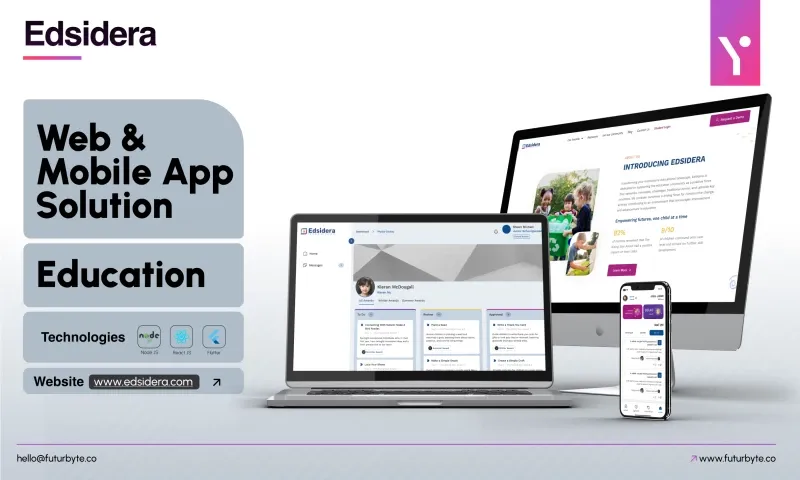
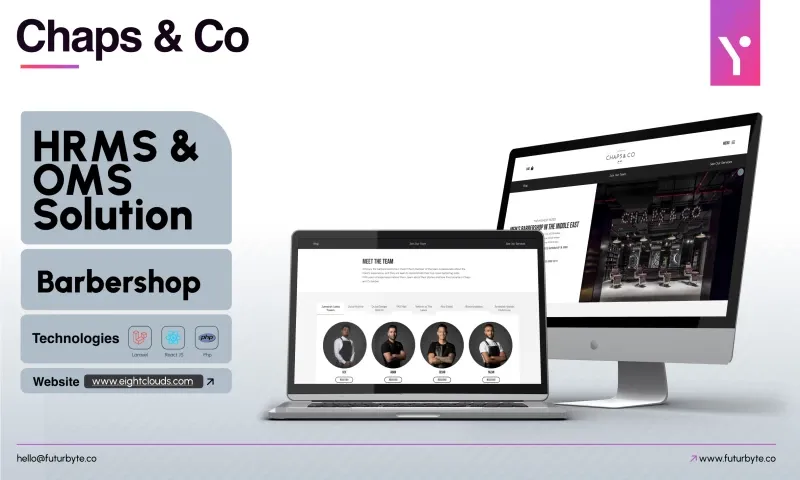
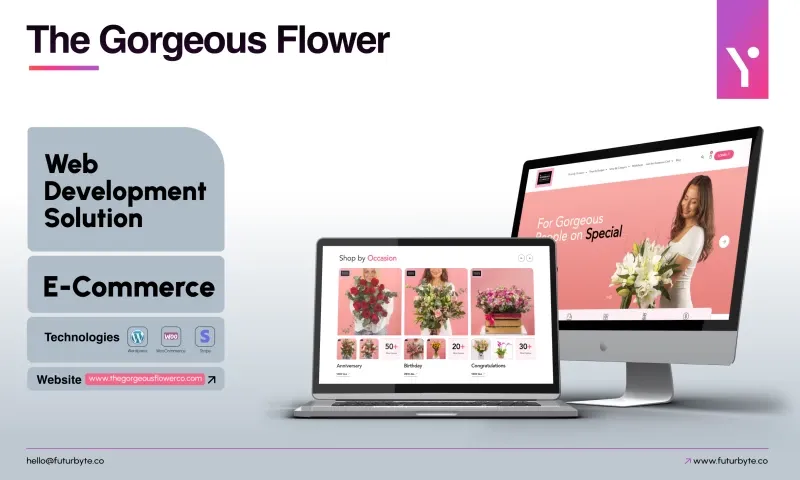
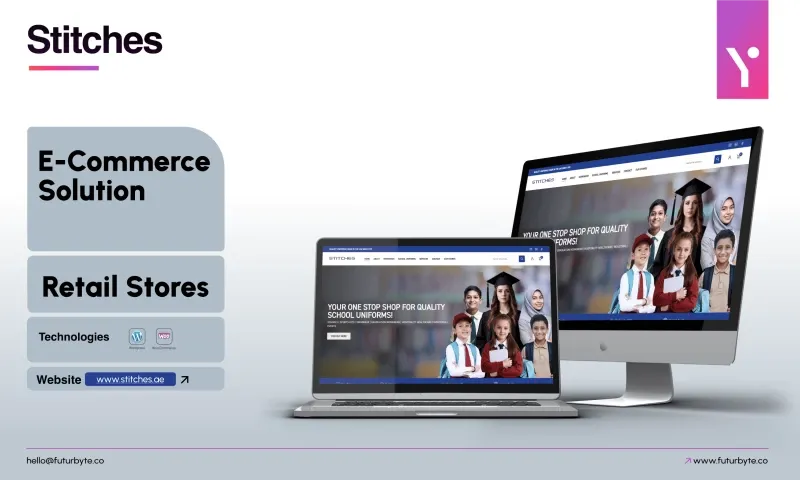
From there we will review where the biggest opportunities appear to be and explain how a programme would run for your business. Our clients rate us 4.9 from 23 reviews on Clutch, and the work on this page shows what we design and build. When you are ready, send us a message and tell us what you want more of.
 4.9